Last Updated on January 15, 2026
AI marketing tools in 2026 are built to handle complex tasks like content creation, SEO optimization, ad targeting, personalization, predictive analytics, and customer support—all with minimal human intervention. This blog explores the best AI marketing tools in 2026, categorized by their purpose, and helps you choose the right ones for your business.
Marketing in 2026 has evolved into a data-dense environment, where customers expect personalization at every touchpoint and brands must respond in real time. AI enables marketers to meet these expectations by interpreting user behavior at scale and automatically adjusting campaigns for better results. With third-party cookies fading out and privacy regulations increasing, AI-driven modeling has become critical for understanding audiences without relying on external identifiers. Additionally, automation has taken over repetitive, time-consuming tasks such as reporting, segmentation, and A/B testing, giving marketers the bandwidth to focus on creativity and overall marketing strategy. This combination of personalization, automation, predictive insights, and efficiency makes AI indispensable in 2026.
Types of AI Marketing Tools in 2026
AI SEO Tools
AI-powered SEO tools in 2026 have advanced far beyond traditional keyword suggestions. They now analyze user intent, semantic depth, topic coverage, entity relationships, and content authority in ways that human teams simply cannot replicate at scale. These tools evaluate what type of content search engines are prioritizing and recommend improvements that align with NLP-based search algorithms. They assist marketers in creating content clusters, optimizing existing articles, and predicting how well a page will perform before it is published.
Surfer AI continues to be one of the most trusted SEO optimization platforms in 2026. It analyzes top-ranking pages using advanced NLP signals and offers precise recommendations for improving content structure, keyword distribution, topical depth, and readability. Surfer’s AI writing assistant also creates SEO-ready drafts aligned to SERP patterns, making content production significantly faster and more accurate.
MarketMuse is popular for brands that want to build topical authority and long-term content strategy. It uses deep learning to identify knowledge gaps in existing content libraries and suggests topics that will strengthen domain authority. MarketMuse also predicts content competitiveness and estimated ROI, helping teams prioritize what to write and when.
Semrush AI Tools bring automation into keyword research, competitor analysis, and content planning. Their AI-driven keyword clustering, SERP intent classification, and content template builder make it easier for marketers to craft pages tailored to search demand. With real-time insights into ranking difficulty, Semrush helps teams focus on opportunities with the highest potential payoff.
Ahrefs AI Assistant enhances keyword research and link analysis with predictive insights. It evaluates ranking difficulty based on machine learning models and helps marketers understand the intent behind every query. Ahrefs’ AI also identifies content gaps within top-ranking pages and suggests improvements that align with Google’s semantic search advancements.
Clearscope AI is known for improving content clarity and keyword relevance using NLP-based optimization. It evaluates each piece of content against top-performing pages and suggests semantically related phrases to strengthen topical coverage. Clearscope’s simple interface and precise recommendations make it ideal for teams focused on high-quality, search-friendly content.
AI Content Creation Tools
The rise of generative AI has revolutionized content creation, enabling marketers to produce high-quality articles, scripts, social posts, emails, and landing page copy within minutes. These tools have become powerful creative partners that not only write text but also maintain tone, understand brand guidelines, and personalize content for different audiences. In 2026, content creation tools go beyond generating text; they help refine arguments, structure narratives, analyze readability, and ensure SEO alignment.
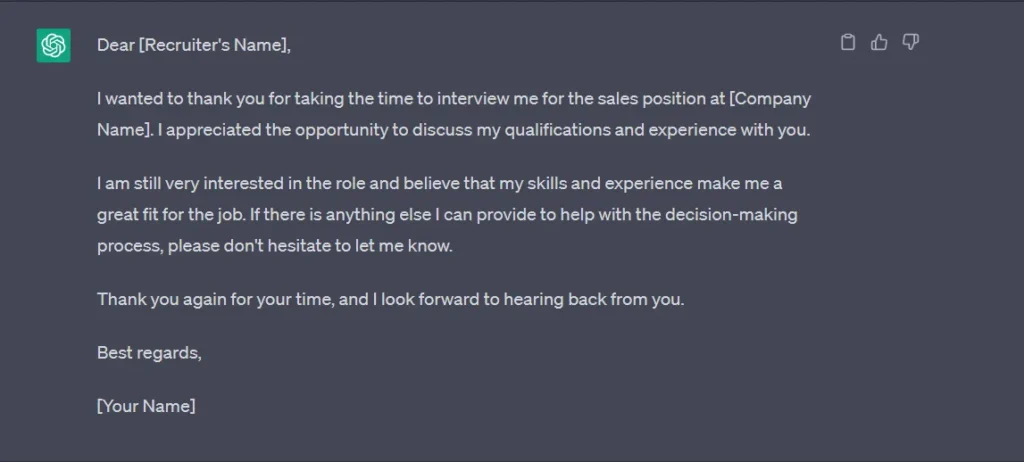
ChatGPT 5.1 / GPT-o has set a new benchmark for content quality and reasoning. These models can produce long-form articles, scripts, emails, ads, and marketing plans that feel naturally written and deeply informed. With advanced context retention and brand voice adaptability, ChatGPT serves as a multifunctional content engine for marketing teams.
Jasper AI remains a favorite among agencies due to its strong brand voice capabilities and multi-format content generation workflows. Jasper helps teams maintain consistent messaging across blog posts, ads, emails, and landing pages, making it easier for brands to scale their content operations while preserving tone and style.
Writesonic is widely used for creating articles, rewriting content, refining drafts, and generating social posts quickly. Its built-in editor and research assistant help marketers polish content with minimal effort. Writesonic’s fast generation speed makes it suitable for teams that produce a high volume of content.
Copy.ai stands out for ideation and marketing copy generation. It helps teams brainstorm new content angles, create product descriptions, and write persuasive campaigns while offering automation workflows for repetitive writing tasks. Copy.ai is especially useful for marketers working on tight deadlines.
Notion AI integrates directly into workspaces and assists with drafting, editing, summarizing, and organizing notes into full articles. It reads contextual information from surrounding documents, making it a natural extension of the content planning process. For teams already using Notion, its AI is a seamless productivity booster.
AI Advertising Tools
AI advertising tools now control large portions of digital ad operations across platforms like Google, Meta, LinkedIn, and YouTube. These systems study billions of data points, identify audience segments, and optimize creatives, bids, and placements automatically. Instead of manually testing ads, marketers rely on AI to generate multiple variations, predict performance, and select the highest-converting creatives. The result is a more efficient ad ecosystem where campaigns continuously adjust based on user behavior and market trends.
Google Performance Max AI has become the backbone of automated advertising in 2026. It optimizes bids, generates new ad creatives, assigns placements, and identifies high-value audiences across all Google channels. Its continuous learning loop ensures that campaigns adapt to market shifts instantly, leading to stronger and more consistent results.
Meta Advantage+ supports advertisers on Facebook and Instagram by using AI to automatically create ad variations, expand audiences, and allocate budgets. It identifies patterns invisible to human marketers and ensures that ads reach users most likely to convert. With streamlined automation, it reduces manual workload and increases ROAS.
Skai AI serves enterprise-level advertisers who manage large budgets across multiple platforms. It provides predictive modeling, granular forecasting, and advanced optimization insights. Skai helps brands unify ad performance across Google, Meta, Amazon, TikTok, and more, making it essential for omnichannel campaigns.
AdCreative.ai is a powerful platform for producing high-converting ad visuals and banners. It analyzes brand assets and generates multiple design variations optimized for click-through and conversion rates. Its speed and design accuracy allow marketers to test and scale creatives rapidly.
Pencil AI specializes in AI-generated video ads. It studies past creative performance and generates new video concepts aligned with brand identity and messaging. Pencil is particularly valuable for brands that rely heavily on video-driven performance marketing.
AI Social Media Tools
AI social media tools in 2026 allow brands to remain consistently active across platforms without manual effort. These tools can automatically generate captions, identify trending topics, repurpose long-form videos into viral short clips, and even create designs that match brand aesthetics. With AI-driven social listening, brands can track sentiment, monitor competitors, and identify content opportunities in real time, helping them stay relevant and responsive.
Canva AI offers instant design generation, layout suggestions, and AI-assisted branding that help marketers create professional social posts in minutes. The tool understands brand colors, fonts, and content themes, making consistency effortless across all platforms.
Buffer AI simplifies scheduling and content creation by generating optimized captions, hashtags, and posting recommendations. It analyzes audience behavior to determine the best time and tone for each post, making social media management more strategic and less manual.
Lately.ai excels at repurposing long-form content. It transforms podcasts, webinars, interviews, and articles into numerous short, ready-to-post social snippets. This makes it invaluable for businesses that want to maintain high posting frequency without creating new content from scratch.
OpusClip is the go-to tool for converting long videos into viral short clips for platforms like TikTok, Instagram Reels, and YouTube Shorts. It automatically identifies the most engaging moments using AI scoring, ensuring that the final clips perform well on social platforms.
AI Email Marketing Tools
Email marketing has become more personalized and predictive thanks to AI. These tools now determine the best send times for each user, automatically segment audiences, and generate subject lines optimized for open rates. By analyzing user behavior, AI tailors email content to match individual preferences, increasing engagement and conversions. The shift from generic blasts to dynamic, customer-specific sequences makes AI essential for modern email campaigns.
Mailchimp AI delivers predictive segmentation and automated campaign optimization that helps brands improve open rates and engagement. It also recommends the ideal send time for each user and suggests subject lines designed to capture attention.
HubSpot AI offers complete marketing automation, from content generation to workflow sequences. Its AI email writer, customer behavior predictions, and integrated analytics help businesses build smarter, more personalized communication journeys.
Brevo AI (formerly SendinBlue) makes automation more accessible for mid-sized businesses by offering intelligent workflows, engagement-based segmentation, and smart personalization suggestions. Its simplicity and effectiveness make it a strong choice for growing teams.
Klaviyo AI remains the top choice for eCommerce email marketing. It predicts customer lifetime value, churn risk, and buying patterns, enabling brands to send highly personalized product recommendations and retention campaigns.
AI Customer Support Tools
AI chatbots and virtual assistants have matured significantly, offering highly conversational and context-aware support experiences. Instead of simple scripted responses, modern chatbots understand intent, ask follow-up questions, and resolve complex issues. These tools help businesses deliver instant, 24/7 support without overwhelming human teams, while also qualifying leads, reducing response times, and enhancing customer satisfaction.
Intercom Fin AI is one of the most advanced conversational AI systems of 2026. It handles complex queries with human-like reasoning and provides accurate responses pulled from help centers, past interactions, and internal knowledge bases. Fin significantly reduces human workload while improving response times.
Drift AI focuses on conversational marketing rather than support alone. It assists businesses in qualifying leads through natural conversations, understanding intent, and routing users to appropriate sales teams or automated journeys. Drift helps increase conversions while maintaining engaging customer experiences.
Zendesk AI enhances support operations through smart ticket routing, sentiment analysis, and automated response recommendations. It helps support teams prioritize issues efficiently and ensures that customers receive timely and relevant assistance.
AI Analytics & Intelligence Tools
Analytics tools powered by AI have become essential for decoding complex data across multiple platforms. These systems automatically identify trends, highlight performance issues, and forecast future outcomes. Instead of manually building reports, marketers receive instant insights that help them make data-backed decisions faster. Predictive analytics now plays a major role in understanding customer behavior, planning budgets, and optimizing marketing funnels.
Google Analytics Predictive Insights help marketers understand behavior patterns by forecasting conversions, churn probability, and purchase likelihood. Its AI-generated insights often surface opportunities that manual analysis may miss.
Tableau Pulse AI enables marketers to query data using natural language, receiving immediate visual interpretations that simplify complex datasets. It transforms traditional dashboards into conversational, interactive reports.
Amplitude AI predicts user behavior across digital products, offering insights into retention, engagement patterns, and drop-off points. It is especially powerful for businesses focused on product-led growth.
Funnel.io AI consolidates marketing data from multiple platforms into unified dashboards. Its AI models detect anomalies, highlight performance issues, and automate reporting workflows, giving teams real-time visibility across all marketing channels.
Challenges & Limitations
Despite their capabilities, AI marketing tools come with challenges. Generative models can produce inaccurate or inconsistent information, making human oversight essential. Creativity may sometimes feel formulaic unless carefully guided by brand-specific instructions. Over-reliance on automation may cause teams to lose understanding of underlying strategies. Privacy regulations also require businesses to be cautious about how AI tools handle customer data. While AI can accelerate marketing, it must be used responsibly with clear guidelines and quality control systems in place.
Future of AI in Marketing (2026–2030)
The future of marketing is moving toward complete automation, where AI tools will manage campaigns, optimize budgets, write content, and even handle creative strategy. Personalization will reach individual-level precision, predicting user needs before they express them. AI-driven search engines will prioritize intent-based results, shifting SEO strategies toward semantic depth and expertise. Cross-channel orchestration will happen instantly, allowing brands to deliver consistent experiences across all touchpoints. Ethical AI frameworks will become more widespread, creating transparency in how AI makes decisions. Over the next five years, AI will evolve from being a tool to becoming a strategic collaborator.

He has helped brands/enterprices across IT/ITeS, E-commerce, Telecommunications, and Automotive sectors enhance visibility, user experience, and conversion rates through advanced SEO strategies along with AI and python to enhance user experience, boost conversion rates, and amplify brand awareness.
Driven by a passion for innovation, he focuses on leveraging emerging technologies to revolutionize SEO and content performance.
- Top AI Marketing Tools in 2026 - December 2, 2025
- Best SEO Content Optimization Tools - November 13, 2025
- People Also Search For (PASF): The Complete 2025 Guide to Smarter SEO Optimization - November 11, 2025